
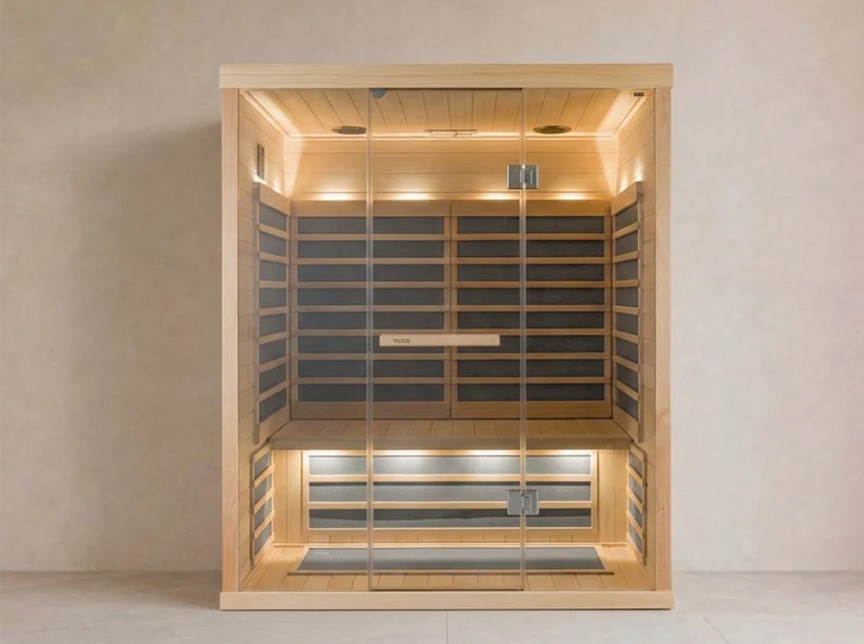
Infrared saunas, explained simply: how the heat works, how it compares to a traditional sauna, and how to choose the right cabin for your home.
Written by the A6 Hot Tubs team, reviewed by our engineers · 17 years of UK wet-leisure experience · Last updated November 2026

- Infrared warms your body directly, so cabins feel gentler, typically around 45 to 60°C, not the 70 to 100°C of a traditional sauna.
- Two routes at A6: infrared cabins for indoors, or traditional Yakia saunas for the garden.
- Sessions are usually 15 to 30 minutes. You feel warm and relaxed rather than hit by intense heat.
- Most of the strong sauna research is on traditional saunas, so we keep infrared claims honest.
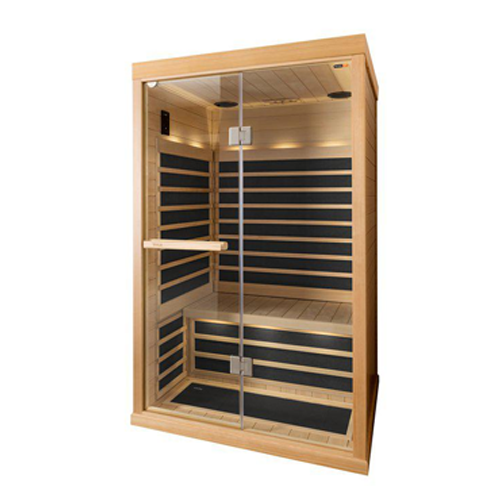
Step into an infrared cabin and the heat feels different from a traditional sauna. The air is not blistering. The warmth comes from panels around you, heating your body directly, so it still feels gentle after fifteen minutes. That is the appeal, and it is why infrared cabins are the easy way to bring a sauna indoors. This guide keeps it simple: how infrared actually works, how it compares to a traditional sauna, what to look for, and which of our cabins fits your space and how many of you will use it.
How an infrared sauna works
An infrared sauna uses panels that give off infrared heat, which warms your body directly rather than heating all the air in the room. Because of that, the cabin feels comfortable at a lower temperature, usually around 45 to 60°C, where a traditional sauna runs hotter at roughly 70 to 100°C. You still warm up and sweat. It just feels milder, which is why a lot of people find infrared easier to sit in for longer.
Infrared or traditional: which suits you?
We stock both, and neither is better. It comes down to the heat you enjoy and where you want it. A6’s infrared cabins are built for indoors; the traditional Yakia saunas are outdoor garden cabins.
| Infrared (Tylö) | Traditional (Yakia) | |
|---|---|---|
| How it heats | Panels warm your body directly | Heater warms the air and stones |
| Temperature | Gentler, around 45 to 60°C | Hotter, around 70 to 100°C |
| The feel | Milder and dry, easy to sit longer | Intense heat, add water for steam |
| Where it goes | Indoors, as a cabin | Outdoors, in the garden |
| Best for | Gentle, regular use indoors | The hotter, traditional ritual outdoors |
What an infrared sauna does for you
Think of it as a warm, calming habit rather than a cure-all. Here is the honest picture.
- Gentle heat you can actually relax in. The lower temperature is easier to tolerate, so it suits people who find a traditional sauna too intense.
- It sits indoors. No garden space or outdoor build needed. It warms up and is ready when you are.
- A daily wind-down. Fifteen to thirty minutes of quiet warmth is a simple way to switch off at the end of the day.
Using it safely: the simple rules
Heat puts extra demand on the heart. If you are pregnant, or have a heart condition, high blood pressure or any circulation problem, speak to your GP before using a sauna. If you ever feel faint, step out and cool down.
What to look for when you buy
- Size and seating. One, two, three or more? Think about who will use it and how many at once.
- Where it will go. Infrared cabins are for indoors, so measure the spot and the doorway it has to pass through.
- Easy controls. A clear digital panel to set the temperature and timer makes it something you use without thinking.
- Power and fitting. Check the power it needs and whether an electrician is required, so you can plan before it arrives.

See the full range on our saunas page.
Hot and cold together: contrast therapy
Moving between a warm sauna and a cold plunge, called contrast therapy, is a big reason people build a small wellness corner at home rather than buying one thing. If that appeals, look at our ice baths and cold plunges alongside your sauna, and start with our cold plunge guide.
Choose your cabin by how many will use it
Infrared cabins · indoor, gentle heat
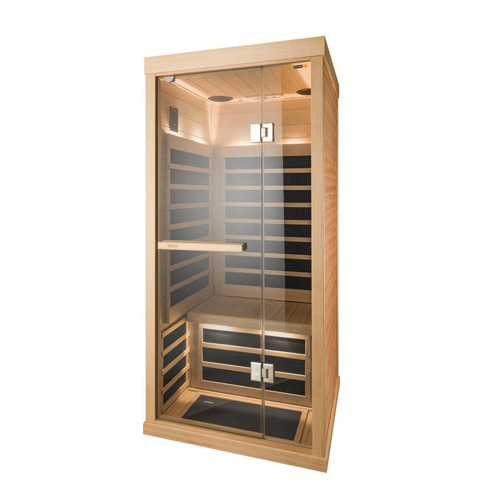
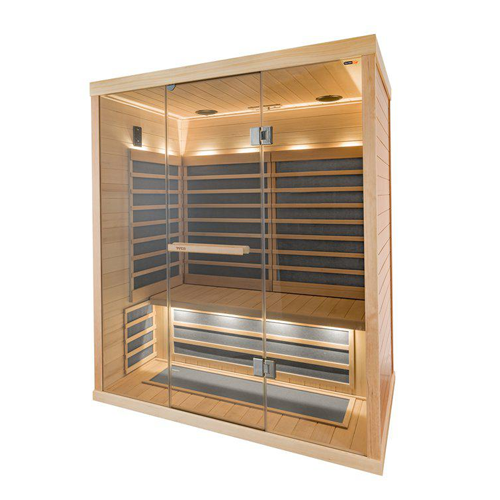
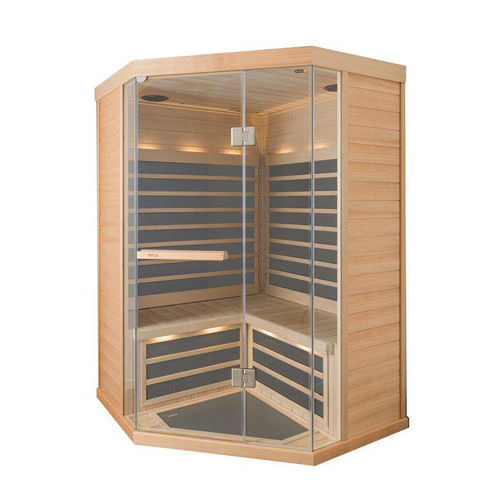
Prefer the hotter, traditional sauna for the garden? See our Yakia traditional range.
Infrared sauna FAQs
What is an infrared sauna?
A cabin that uses infrared panels to warm your body directly, rather than heating all the air around you. That lets it run at a gentler temperature than a traditional sauna while still warming you up.
How hot does an infrared sauna get?
Usually around 45 to 60°C, noticeably milder than a traditional sauna at roughly 70 to 100°C.
Infrared or traditional: which is better?
Neither. Infrared is gentler and sits indoors; traditional is hotter and sits in the garden. It comes down to the heat you enjoy and where you want it.
How long should you spend in one?
Fifteen to thirty minutes for most people. Start shorter and build up.
Are infrared saunas good for you?
People find them relaxing and warming. Be aware that most of the strong sauna health research is on traditional saunas, so we would not overclaim for infrared. Our sauna evidence guide has the detail.
Can you put an infrared sauna indoors?
Yes. Our Tylö infrared cabins are designed for indoors. If you want a sauna for the garden, our traditional Yakia range is built for outdoors.
How often can you use one?
Daily is fine for most people. Listen to your body and keep sessions sensible.
See the full sauna range, or tell us your space and how many will use it and we will help you choose.