
Cold water, done properly: what a plunge actually does, how to use one without the guesswork, and how to pick between a fill-and-ice tub and a built-in chiller.
Written by the A6 Hot Tubs team, reviewed by our service engineers · 17 years of UK wet-leisure experience · Last updated November 2026
- Start at 12–15°C for 1–3 minutes. Colder and longer is not better.
- Two routes: fill with ice (portable, lower cost) or a built-in chiller (always cold, just plug in).
- The clearest benefits are recovery and a sharp mental lift, not muscle growth.
- Not for you if you are pregnant or managing a heart or circulation condition without your GP’s okay.
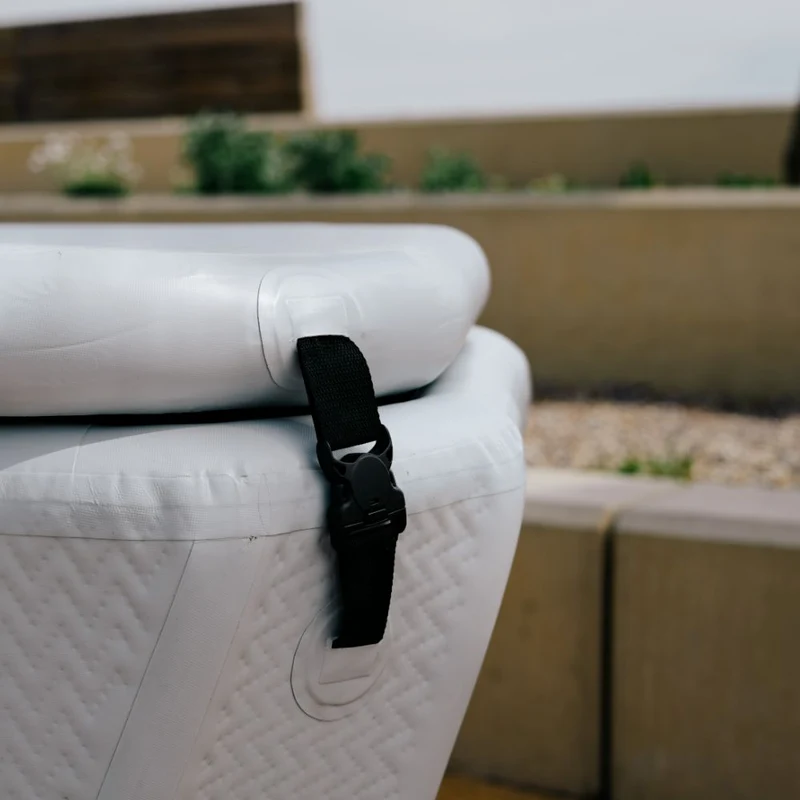
The first time you lower into 11°C water, your breath catches. Count to thirty and it settles. Climb out two minutes later and you feel wide awake, loose, and oddly calm. That is the whole appeal, and it is why cold plunges are turning up in gardens across the UK. This guide is the honest version: what the cold actually does, how to use it without the guesswork, how to decide between filling with ice and a built-in chiller, and which of our models fits how you will use it.
Fill with ice, or a built-in chiller?
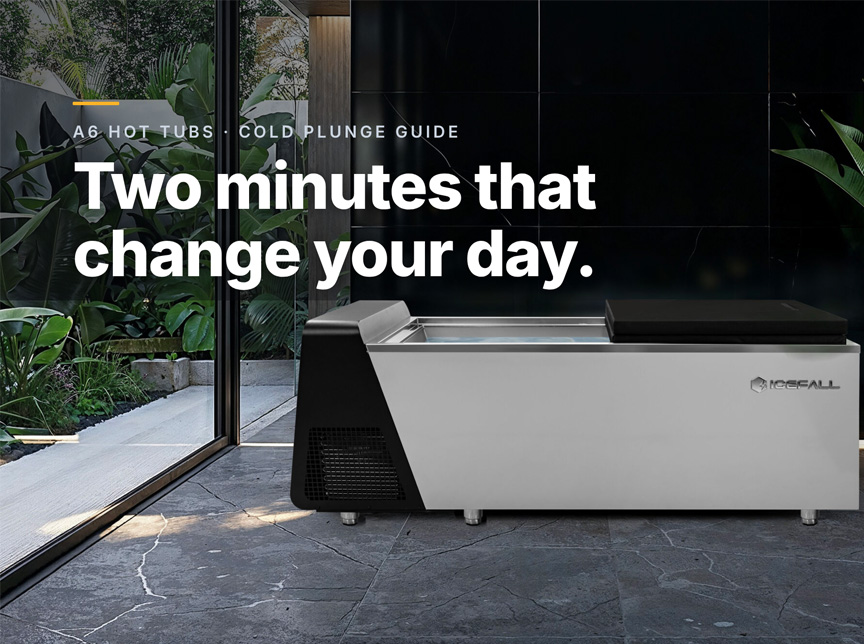
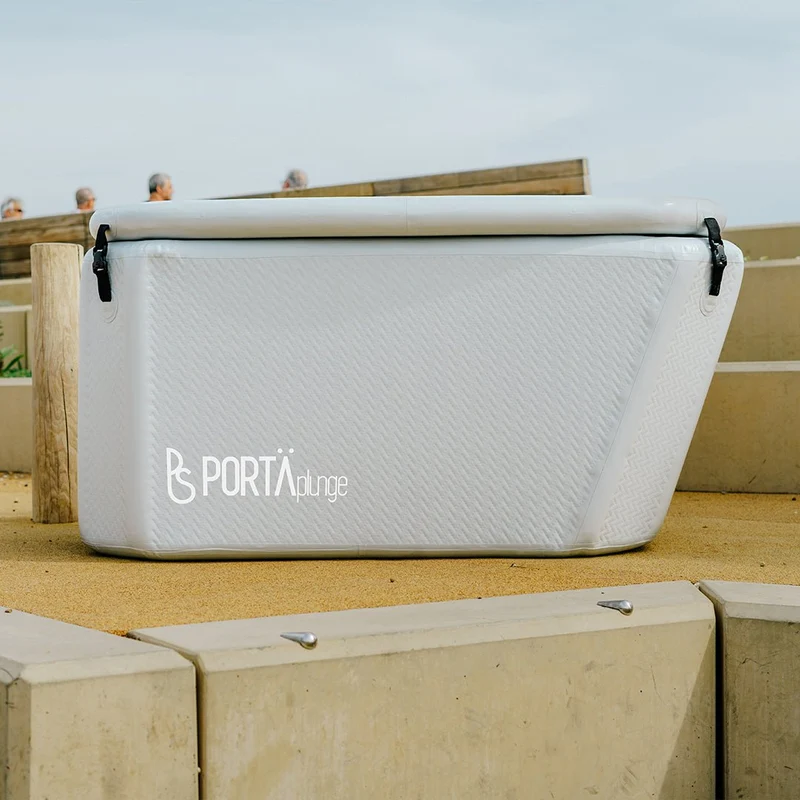
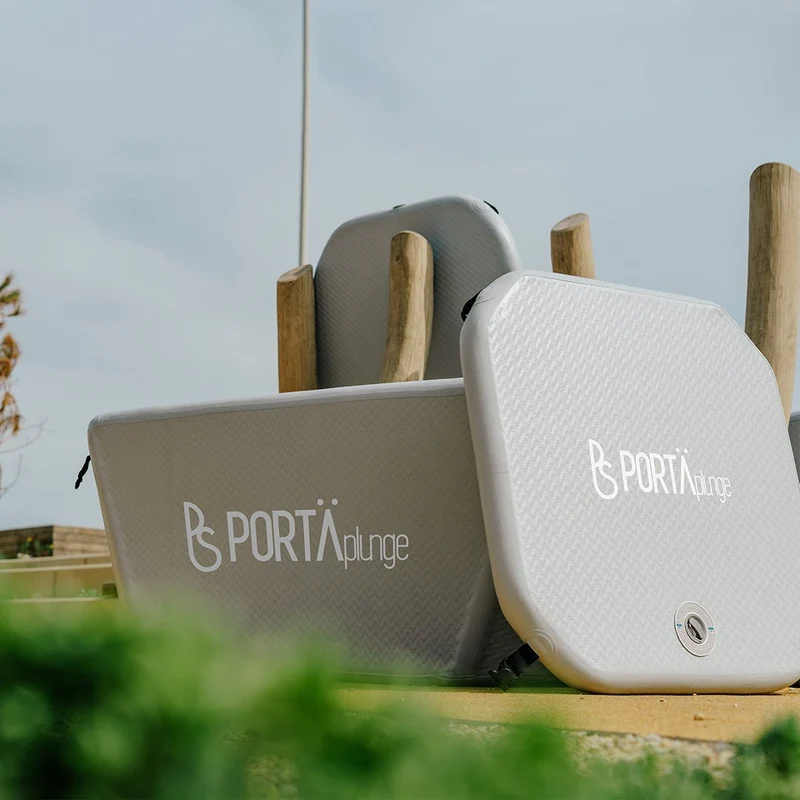
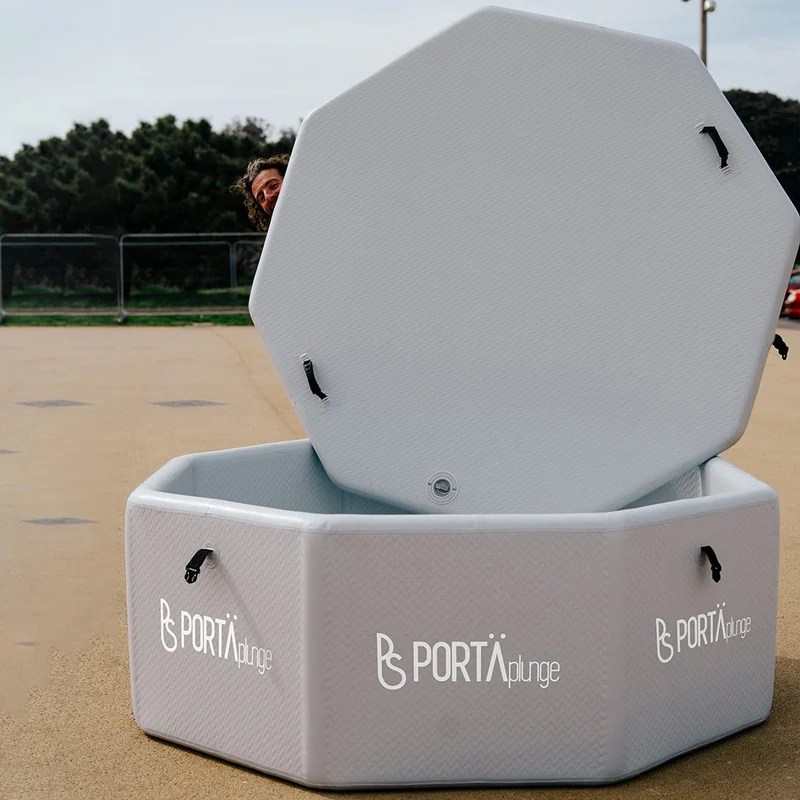
There are two honest ways to own a cold plunge, and we stock both. A fill-and-ice tub like the PortaPlunge is portable and comes with everything to get going, including a reusable ice brick; you fill it and chill it when you want to use it. A built-in chiller tub like the Icefall plugs in and holds the water cold for you, ready any time, no ice needed. Neither is better. It comes down to budget, space and how often you will use it.
| Fill with ice (PortaPlunge) | Built-in chiller (Icefall / Solo) | |
|---|---|---|
| Getting cold | Add cold water and the ice brick | Plug in, it chills and holds it |
| Ready any time | Chill it when you want to plunge | Yes, cold and waiting |
| Portable | Yes, packs into a carry bag | Stays put, needs a power socket |
| Running cost | Just water and ice | Electricity to run the chiller |
| Best for | Simple, portable, lower upfront cost | Daily use with zero faff |
Everything you need to start on day one: carry bag, water thermometer, stirrup pump, reusable ice brick, repair kit, under-plunge matting and a quick-start guide.
Contents shown for the CUBE and are similar across the PortaPlunge range; check each product page for exact inclusions.
What cold water actually does for you
A cold plunge is a tool for recovery and a mental reset, not a cure-all. Here is where the evidence honestly stands.
- Less soreness after training. Research suggests a plunge after hard exercise reduces how sore you feel over the next day or two. If building muscle is the goal, leave a few hours between heavy weights and the cold.
- A sharp lift in mood and alertness. Most people feel this one immediately, and early studies point the same way, though they are still small.
- A daily win. Regular plungers say the habit of staying calm in the cold carries into the rest of the day.
How to plunge safely: the only rules that matter
Cold water puts real strain on the heart. If you are pregnant, or have a heart condition, high blood pressure, Raynaud’s or any circulation problem, speak to your GP before cold water immersion. If you ever feel faint or can’t control your breathing, get out and warm up.
What to look for when you buy
- Decide ice or chiller first. Fill-and-ice is cheaper and portable. A chiller costs more and uses power, but it is always cold with no ice to buy.
- Good insulation. It holds the cold longer on a fill-and-ice tub, and keeps a chiller from working overtime. Ask for the running cost on chiller models.
- What is included. A PortaPlunge comes with the thermometer, pump, ice brick and matting. Check what each model ships with.
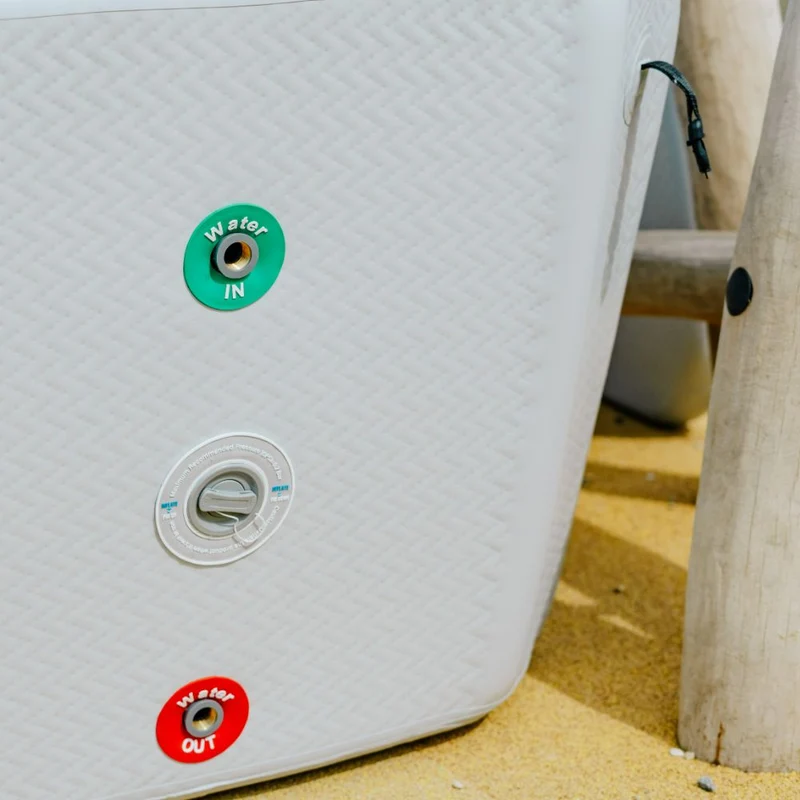
- Simple water care. Clear, well-marked fill and drain valves make changing the water a two-minute job rather than a chore.
See everything on our ice baths and cold plunge page.
Cold and hot together: why people pair a plunge with a sauna
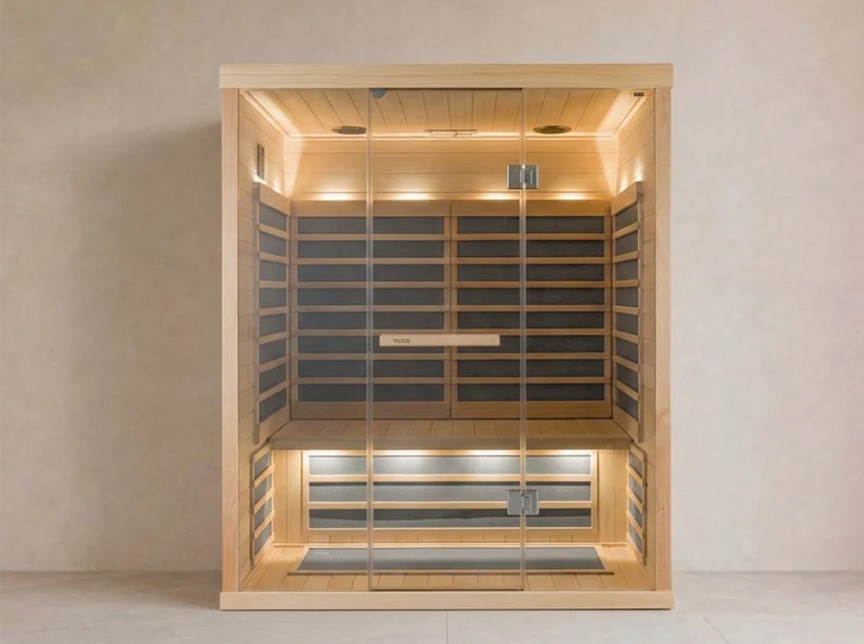
Moving between a hot sauna and a cold plunge, called contrast therapy, is a big reason people build a small wellness corner rather than buying one thing. If that appeals, look at saunas alongside your plunge, and start with our guide to what the evidence says about saunas.
Choose your plunge by how you’ll use it
Fill with ice · portable, everything included
Built-in chiller · always cold, no ice


Ice bath and cold plunge FAQs
How cold should an ice bath be?
Start around 12–15°C. Regular users work down to 10–11°C. Colder is not better, and consistency matters more than chasing a low number.
How long should you stay in?
One to three minutes when starting out, building up slowly. A few minutes is plenty to get the benefit.
Do you need a chiller, or is ice fine?
Both work. A fill-and-ice tub like the PortaPlunge is simpler, cheaper and portable; you add cold water and the included ice brick. A built-in chiller like the Icefall keeps it cold and ready without ice, which suits daily use. It comes down to budget and how often you will plunge.
How often should you cold plunge?
A few times a week up to daily works for most people. Listen to your body and do not force it.
Can you put a cold plunge outside?
Yes. Both types are built for outdoor use. A chiller model will need a power socket nearby.
Are ice baths safe?
For most healthy adults, used sensibly, yes. Speak to your GP first if you are pregnant or have a heart, blood pressure or circulation condition.
See the full cold plunge range, or tell us your space and how you want to use it and we will help you choose.